 Moonleaf
Choosing a size before you choose a picture
Most nursery walls go wrong in the same way. A small print goes up on a large empty wall, and from the doorway it reads as a stamp rather than as art. A useful habit is to decide the size from the furniture, not from the wall: art hung above a cot, a dresser or a shelf looks settled when it spans roughly two thirds of the width of the piece below it.
If a single print cannot cover that span, a row of two or three carries it better than one lonely frame. That is part of why we drew the elephant, the giraffe and the lion in the same hand. They are meant to hang together.
Where not to hang it
The wall directly above a cot is the one spot worth leaving empty. Frames, glass and hooks belong somewhere a sleeping child cannot reach or pull. Above a dresser, beside the window or along the wall you face when you walk in gives you the same warmth without the worry.
Warm neutrals outlast a theme
Bright primary colours date fast, because they date with the child. A room decorated in strong yellow and red at six months tends to feel wrong at four years, and the whole thing gets redone. Soft beige, sage and terracotta do not carry an age with them. The same elephant that watched over a newborn still works above a reading corner later on.
Paper, and why matte wins in a nursery
- Matte over gloss. Nurseries are dim rooms with one lamp and a window. Gloss picks up every reflection, and half the picture disappears behind a bright patch.
- Weight matters more than brand. Ordinary copier paper curls in a frame and reads as a printout. Heavier art or matte photo stock sits flat and looks like something you chose.
- Let the printer manage colour. Soft neutrals shift easily. If the first sheet comes out pinker or greyer than the screen, print the second on the paper setting that matches the stock in the tray before you change anything else.
How printing at home actually goes
A printable is a file, so the work happens once and the printing happens whenever you want. You can run it on a home printer, take it to a copy shop, or hand it to an online print service. A frame from any shop, standard size, and the piece is on the wall the same day. Nothing ships, nothing arrives damaged, and you can print it again when a second child gets the same room.
The pieces
Each one has its own page with what it shows, the sizes it prints at and how to get it onto paper. €9 a piece, as a file you download.
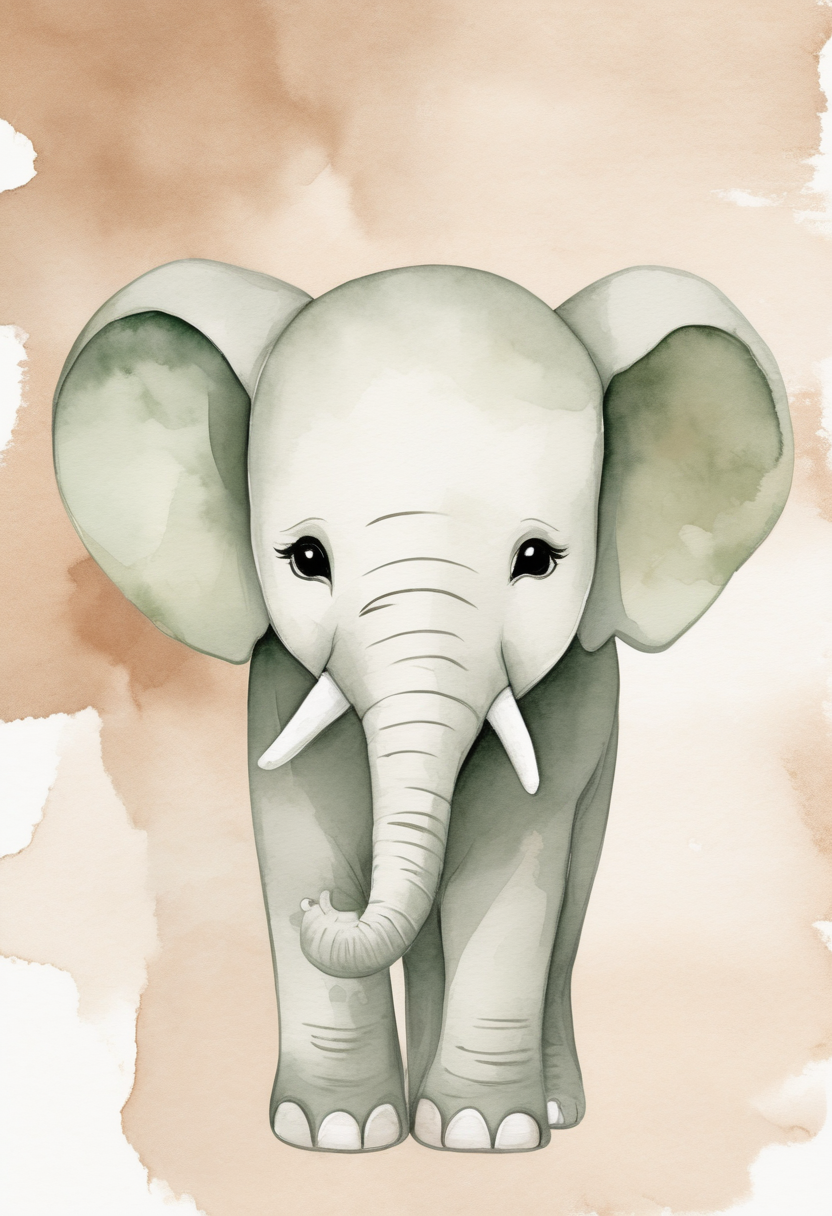
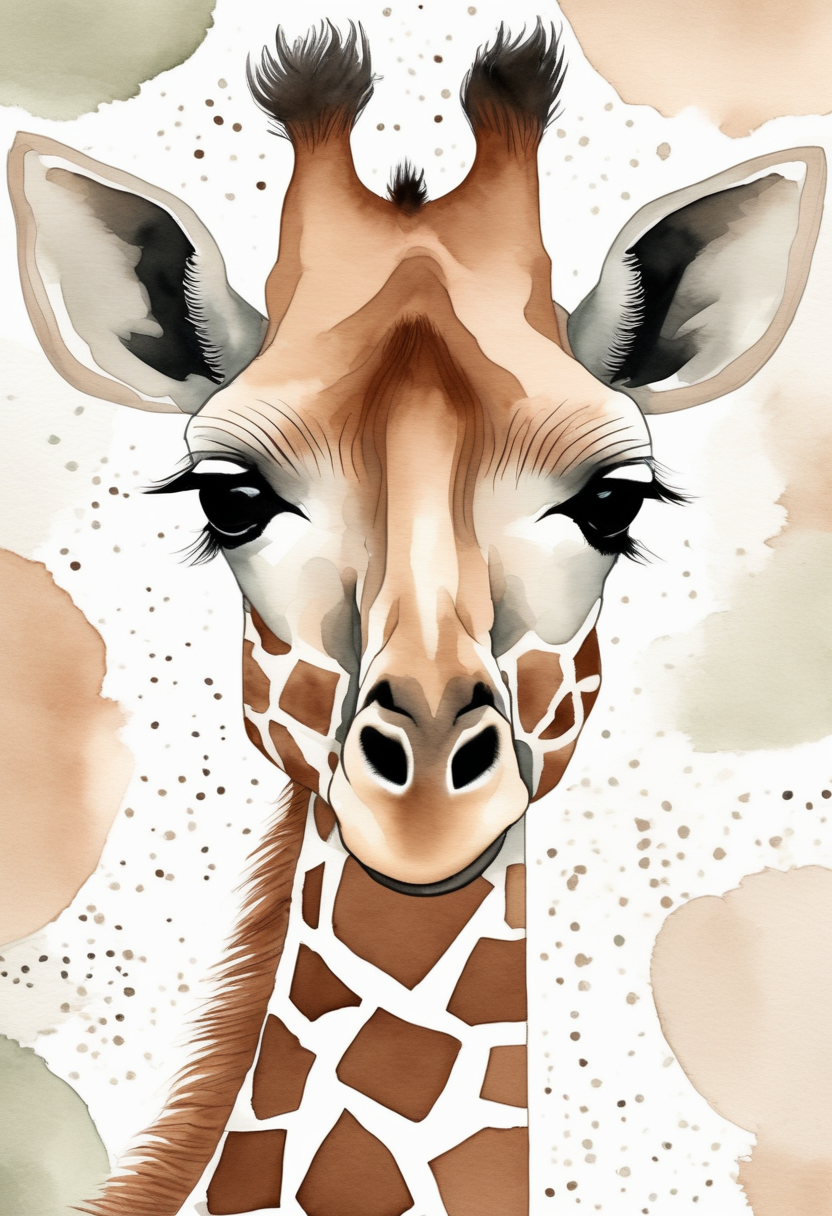
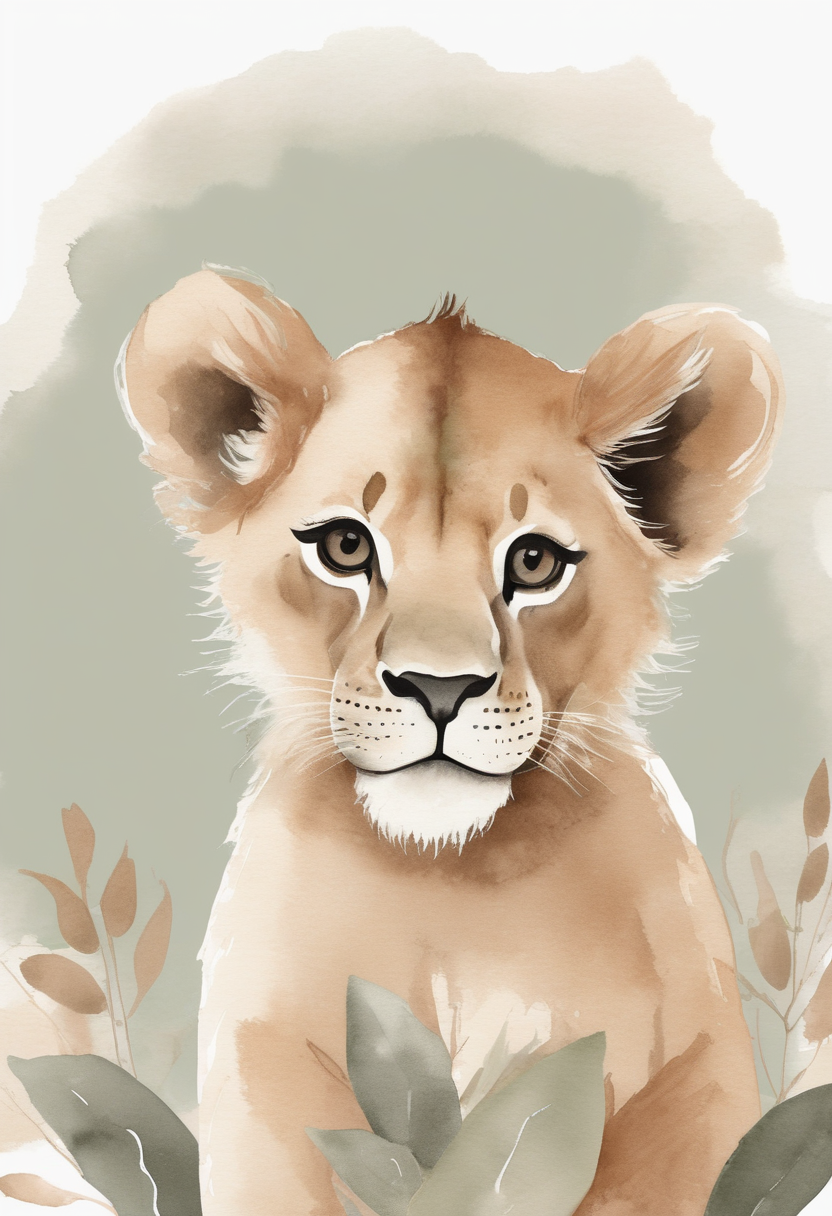
The nursery three
Baby Elephant, Baby Giraffe and Baby Lion, drawn in one hand and one palette so that they hang as a row. Three files, three sizes each, one download.
€24three pieces from this collection
Ordering is not open yet.
Questions people ask
What does a piece cost?
A single piece is 9 euro. Three pieces from one collection are 24 euro. Every piece is a digital file you download and print, so nothing is posted and nothing arrives damaged.
What is in the download?
The artwork at its full resolution, 3328 by 4864 pixels, which prints to 28 by 41 centimetres at 300 dpi and to any smaller size you like. With it comes a printing guide, written for this kind of art, and a licence for personal use.
Do the three animals have to hang together?
No, each one stands on its own. They are drawn in one hand and one palette so that a row of two or three also works above a cot or a dresser.
Can I print these at a shop instead of at home?
Yes. A printable is a file, so a copy shop or an online print service can run it on heavier paper than most home printers take.
What is in every download
The artwork at its full resolution, a printing guide written for this kind of art, and a licence for your own walls. Nothing is posted. The file is yours to keep and to print again whenever a room changes.